


When people search sicily volcano Etna, they’re usually thinking about danger. Lava. Explosions. Ash clouds shutting down airports. That part is real, no doubt. But Mount Etna is more than Europe’s most active volcano. It’s a living system that has shaped Sicily’s land, culture, economy, and even daily routines for thousands of years.
I’ve always found Etna fascinating because it sits right in the open. Villages climb its slopes. Vineyards grow in its soil. Roads cut across old lava flows like nothing happened. And then, suddenly, Etna reminds everyone who’s really in charge.
This blog goes deep into Mount Etna eruption history, the last eruption, its height, the type of volcano it is, and the lesser-known facts that explain why Etna remains one of the most studied volcanoes on Earth.
What Is Mount Etna and Where It Stands
Mount Etna rises along the eastern coast of Sicily, overlooking the Ionian Sea. It dominates the skyline near the city of Catania. You don’t need a map to find it. You just look up.
Etna isn’t a remote volcano hidden in jungle or desert. It lives alongside people. Towns, farms, highways, and homes exist right on its flanks. That closeness defines everything about how Etna is monitored and respected.
also read : –
Top 10 Toughest Languages to Learn: What You Need to Know!
What Type of Volcano Is Mount Etna
Etna is a stratovolcano, sometimes called a composite volcano.
That means:
- It formed from layers of lava, ash, and volcanic debris
- Eruptions vary from slow lava flows to explosive events
- Its structure is complex, with multiple vents and craters
Unlike simple cone volcanoes, Etna behaves unpredictably. It doesn’t erupt the same way twice.
Mount Etna Height: A Moving Number
The Mount Etna height isn’t fixed.
As of recent measurements, Etna stands at around 3,350 meters (roughly 10,990 feet). But that number changes because:
- Lava flows add material
- Explosions remove material
- Summit craters collapse and rebuild
Etna grows and shrinks over time. After major eruptions, scientists often need to re-measure it.
Mount Etna Facts That Surprise Most People
- Etna has been erupting for over 500,000 years
- It has more than 300 vents across its surface
- Some lava flows travel several kilometers
- Snow can sit on Etna while lava flows nearby
- It’s a UNESCO World Heritage Site
Etna is both destructive and fertile. That contradiction defines its relationship with Sicily.
Mount Etna Eruption History
The eruption history stretches back to ancient times. Greek and Roman writers documented eruptions. Lava flows appear in medieval records. Modern science tracks Etna almost continuously.
Major eruptions include:
- 1669: One of the most destructive, reaching Catania
- 1928: Lava destroyed the town of Mascali
- 1991–1993: A long eruption that threatened villages
Etna erupts often, sometimes multiple times per year.
Mount Etna Last Eruption
Etna rarely goes fully quiet. Recent years have seen:
- Frequent lava fountains
- Ash emissions affecting air travel
- Strombolian-style explosions
Most recent eruptions were relatively controlled, with lava flowing into uninhabited areas thanks to monitoring and intervention.
How Scientists Monitor Mount Etna
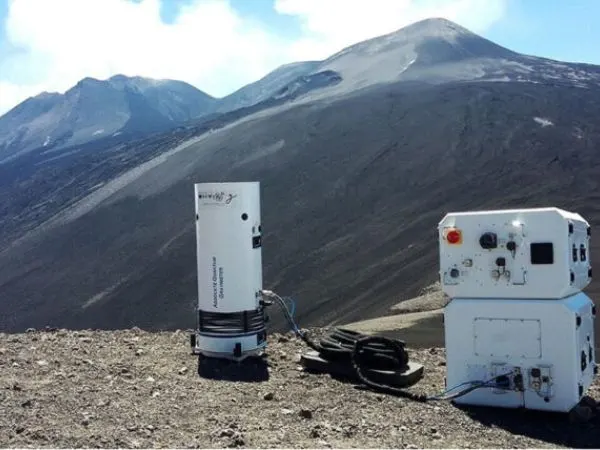
Etna is one of the most closely watched volcanoes in the world. Monitoring includes:
- Seismic sensors
- Gas emission analysis
- Satellite imaging
- Ground deformation tracking
This monitoring saves lives.
also read : –
Hens vs Roosters: The Ultimate Guide to Backyard Chickens!
Why People Still Live Near Mount Etna
Etna’s soil is incredibly fertile. Volcanic ash creates rich ground for:
- Vineyards
- Citrus groves
- Olive trees
Some of Sicily’s best wines come from Etna’s slopes. Families have farmed this land for generations.
Etna’s Relationship With Sicilian Culture
Locals often refer to it as “A Muntagna” (The Mountain). It’s treated like a presence, not a threat. People watch it, talk about it, and adjust plans around it.
How Etna Shapes the Landscape
Eruptions reshape Sicily constantly. Lava flows:
- Create new land
- Block rivers
- Redirect roads
Over time, old lava breaks down into soil, and new vegetation grows.
Different Types of Eruptions
Etna erupts in multiple ways:
- Effusive eruptions with slow lava flows
- Explosive ash eruptions
- Lava fountains shooting hundreds of meters high
Etna and Air Travel Disruptions
Ash clouds frequently affect flights near Catania Airport. Volcanic ash:
- Damages jet engines
- Reduces visibility
- Forces cancellations
Mount Etna and Climate Effects
Large eruptions release sulfur dioxide and ash. Short-term effects include:
- Local cooling
- Reduced sunlight
- Air quality issues
Can Mount Etna Be Stopped
No. Humans can divert lava flows, build barriers, or evacuate areas, but Etna follows geological forces beyond control.
Famous Myths and Legends
Ancient myths claimed:
- Hephaestus forged weapons under Etna
- Giants were trapped beneath its slopes
Even now, Etna feels mythic when it erupts at night.
Etna Tourism
Thousands of tourists visit each year for:
- Guided hikes
- Cable car rides
- Lava field walks
Access is restricted during high activity periods.
How Etna Compares to Other Volcanoes
Compared to Vesuvius or Stromboli:
- Larger surface area
- More frequent eruptions
- Greater variety of eruption styles
It’s less explosive than Vesuvius but far more active.
Why Etna Is a Scientific Goldmine
Researchers study Etna because:
- It erupts often
- It’s accessible
- Data is continuous
Etna teaches lessons other volcanoes can’t.
The Future of Mount Etna
Etna isn’t winding down. Activity will continue for thousands of years. Future challenges include:
- Urban expansion
- Climate interactions
- Risk management
FAQs
What type of volcano is Mount Etna?
Mount Etna is a stratovolcano with layered lava and ash deposits.
What is Mount Etna’s height?
Around 3,350 meters, though it changes after eruptions.
When was the last eruption?
Etna erupts frequently, with recent activity involving lava flows and ash emissions.
Is Mount Etna dangerous?
Yes, but monitoring and planning reduce risk significantly.
Why is Mount Etna famous?
It’s Europe’s most active volcano with a long, documented eruption history.
Final Words
The sicily volcano Etna isn’t just a geological feature. It’s a reminder that Earth is alive beneath our feet. Etna builds land and destroys it. It feeds vineyards and threatens villages. It gives warning signs and still surprises experts.
People don’t live near Etna because they ignore danger. They live there because they’ve learned to listen. And Etna, for all its fire, speaks often.